Efficient management of food delivery and storage is critical for any business-to-business (B2B) operation in the food industry. From warehouses and cold storage facilities to last-mile delivery systems, the logistics of handling perishable goods present unique challenges. Slow or unreliable processes can lead to spoiled products, regulatory issues, and lost revenue. To maintain a competitive edge, companies must optimize every stage of their operations, from storage solutions to transportation, consulting strategies, and equipment management.
Streamlining these processes is not only about speed; it’s about consistency, safety, and reducing costs while maintaining high standards. Leveraging technology, strategic planning, and specialized equipment can drastically improve operational efficiency. This guide explores practical steps and resources that can help B2B food operations run more smoothly and profitably, highlighting key tools, services, and solutions that make a tangible difference.
Maximizing Storage Efficiency With Durable Solutions
Efficient storage is the backbone of any successful food delivery operation. Businesses often struggle with limited warehouse space or inadequate storage solutions that fail to protect inventory. One practical option for improving storage capacity is exploring used shipping containers for sale in your region. These containers provide a cost-effective, durable, and flexible way to store a wide variety of products safely.
Used shipping containers can be customized for specific needs, such as temperature control or shelving installation, ensuring that food products remain in optimal condition. Unlike traditional warehouses, containers can be positioned strategically to minimize the distance between storage and shipping areas, reducing handling time. They are also a scalable solution—businesses can add or relocate containers as demand fluctuates without investing in permanent infrastructure.
Security is another important consideration. Shipping containers offer robust protection against theft and environmental hazards, which is critical when storing high-value or perishable goods. Furthermore, they are portable, allowing businesses to adapt quickly to changing operational needs or seasonal spikes. Investing in well-maintained used containers can save substantial costs compared to building new storage facilities while maintaining the standards required for food safety compliance.
Integrating these containers with inventory management software ensures better tracking of stock levels and locations. Businesses can automate monitoring, making it easier to manage multiple storage sites and prevent overstocking or waste. By combining physical storage solutions with smart technology, B2B food operations can achieve higher efficiency, reduce costs, and maintain product integrity.
Ensuring Safe and Compliant Food Transport
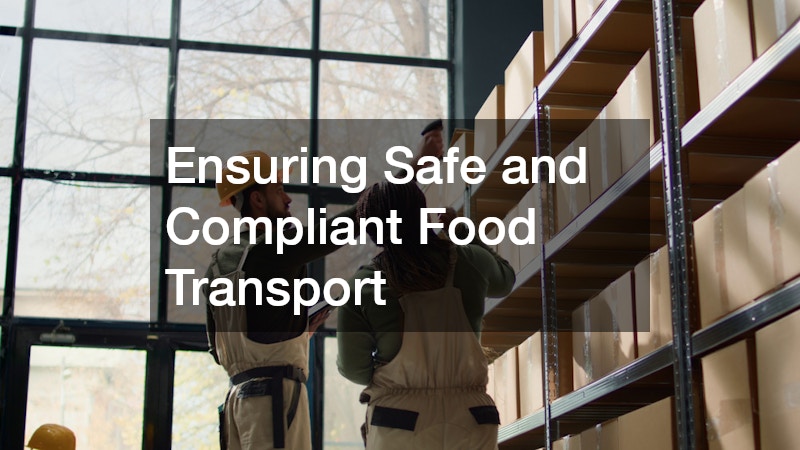
Transporting food safely is just as important as storing it properly. Improper handling can compromise quality, violate health regulations, and damage a company’s reputation. Companies that specialize in food grade product hauling understand the unique challenges of transporting perishable goods, including maintaining the right temperature, avoiding cross-contamination, and adhering to strict safety standards.
Food-grade hauling often requires vehicles equipped with refrigeration or specialized containment systems. These systems ensure that temperature-sensitive products, such as dairy, meat, or frozen goods, remain within regulatory limits throughout transit. Additionally, trained personnel are essential. Drivers and handlers need to be knowledgeable about safe loading practices, sanitation protocols, and emergency procedures to minimize the risk of spoilage.
Planning routes strategically is another crucial factor. Efficient route management reduces transit time, fuel costs, and environmental impact while ensuring timely deliveries. Many B2B operations now integrate route optimization software with their logistics to ensure that each shipment reaches its destination quickly and safely.
Compliance with food safety standards, such as FDA or local health regulations, is non-negotiable. Companies engaged in food-grade product hauling must document every stage of the delivery process to provide traceability and accountability. This includes maintaining temperature logs, sanitizing vehicles between deliveries, and following detailed inspection protocols. By prioritizing safety and compliance, businesses can protect their clients, maintain product quality, and avoid costly penalties while streamlining their transportation processes.
Optimizing Logistics for Business-to-Business Operations
Efficient delivery systems are essential for B2B food operations. Unlike consumer delivery, B2B transactions often involve bulk shipments, tight schedules, and specialized handling requirements. Engaging reliable delivery services allows companies to streamline operations, reduce errors, and ensure that products reach clients on time.
Partnering with a dedicated delivery provider can improve operational efficiency in multiple ways. These services typically offer advanced tracking capabilities, professional drivers, and vehicles suited for heavy or specialized cargo. By outsourcing delivery, businesses can focus on core activities like procurement, production, and quality control rather than logistics management.
Integration with warehouse management systems further enhances efficiency. By coordinating inventory levels with delivery schedules, companies can reduce idle storage time and ensure that goods are dispatched as soon as they are ready. Automation tools also minimize manual data entry, reducing human errors and providing clients with accurate delivery timelines.
Cost control is another benefit of professional B2B delivery services. Outsourcing transportation avoids capital expenditures on vehicles, maintenance, and staffing while providing scalable options as business volume changes. Companies can choose flexible plans, whether for regular shipments or seasonal spikes, without overcommitting resources.
Lastly, strong communication and client transparency are key. B2B customers expect precise delivery windows, consistent service, and prompt resolution of any issues. Delivery services that provide real-time updates, proof of delivery, and responsive support strengthen business relationships and foster trust. By streamlining delivery logistics through professional services, B2B food operations can maintain reliability, efficiency, and client satisfaction.

Driving Growth Through Strategic Advisory Support
Operational efficiency extends beyond physical logistics—it also involves strategic planning and market insight. Engaging with economic development consulting services can help businesses identify growth opportunities, optimize workflows, and navigate regulatory environments effectively.
Consultants with expertise in economic development analyze market trends, supply chain dynamics, and industry regulations to develop actionable strategies for businesses. They can identify areas where investment in technology, infrastructure, or workforce development can yield the greatest efficiency gains. For instance, they may recommend ways to consolidate storage and distribution networks or optimize transportation routes for maximum cost-effectiveness.
These services also provide financial insights, helping businesses allocate resources wisely and plan for expansion. By understanding demand patterns, clients’ purchasing behaviors, and regional economic incentives, companies can reduce waste, enhance inventory planning, and improve cash flow management.
Additionally, consulting services help businesses stay compliant with local regulations and industry standards. They guide companies through licensing requirements, food safety audits, and environmental guidelines, preventing costly fines and operational delays. By integrating strategic advisory support into operational planning, B2B food businesses can make informed decisions, boost efficiency, and position themselves for long-term success.
Leveraging Expert Guidance for Operational Success
Beyond specialized advisory support, general consulting services offer valuable expertise in optimizing day-to-day operations. These services provide insight into supply chain management, technology integration, process improvement, and workforce training.
Consultants analyze existing workflows to identify bottlenecks, inefficiencies, or redundancies. They recommend improvements such as automated inventory tracking, digital order management systems, or employee training programs that enhance productivity. For B2B food delivery operations, even small changes—like reorganizing warehouse layouts or standardizing loading protocols—can yield significant time and cost savings.
Consulting services also help businesses stay ahead of industry trends and adopt best practices. For example, implementing cold-chain monitoring technology or eco-friendly packaging solutions can enhance efficiency and compliance simultaneously. These improvements not only streamline operations but also strengthen a company’s reputation among clients and partners.
By leveraging consulting services, businesses gain access to specialized knowledge and experience without maintaining permanent in-house teams. The guidance provided ensures that operational decisions are data-driven, cost-effective, and aligned with long-term business goals, helping companies maintain a competitive edge.
Maintaining Cold Chain Integrity for Perishable Goods
Proper refrigeration is vital in B2B food operations. Without reliable temperature control, perishable goods such as dairy, meat, or fresh produce can spoil, resulting in financial loss and safety risks. Investing in quality equipment, such as refrigerated trailer sales, ensures that products remain within safe temperature ranges from storage to delivery.
Refrigerated trailers are essential for transporting large quantities of temperature-sensitive goods over long distances. High-quality units offer advanced insulation, refrigeration systems, and monitoring tools to maintain consistent conditions. Companies purchasing trailers from reputable providers also benefit from maintenance support, warranties, and equipment customization.
Integrating these trailers into a broader cold chain management system further enhances operational efficiency. By tracking temperature data in real time, businesses can proactively address any deviations before they impact product quality. Fleet management software can also schedule maintenance, monitor fuel consumption, and optimize routing to reduce costs and delays.
In addition to transportation, refrigerated trailers can serve as temporary or mobile storage units during peak periods, providing flexibility. Investing in reliable refrigeration equipment ensures that B2B food operations maintain product integrity, comply with safety standards, and streamline delivery processes.
Speeding Up Deliveries With Reliable Dispatch Systems
In the fast-paced world of B2B food delivery, speed and reliability are critical. Companies can improve efficiency by partnering with a professional courier delivery service that specializes in timely, traceable shipments.
Courier services typically provide advanced tracking, scheduled pickups, and secure handling protocols. These features reduce errors, minimize delays, and provide visibility for both the sender and recipient. Real-time updates allow businesses to monitor shipments and quickly address potential disruptions.
Using a courier service also helps streamline last-mile logistics, which is often the most complex part of delivery operations. Outsourcing this segment ensures that products arrive on time without overextending internal resources. This flexibility is particularly valuable for businesses managing multiple clients, locations, or time-sensitive shipments.
Furthermore, courier services can scale with business needs, accommodating seasonal surges, high-volume orders, or urgent deliveries. Integrating courier solutions with warehouse and inventory systems ensures smooth coordination between storage, dispatch, and final delivery. By relying on professional support, B2B food operations can achieve faster, more reliable, and more efficient delivery processes.
Extending Hardware Life With Smart Technology Choices
Operational efficiency in modern B2B food delivery requires more than physical logistics; technology is a key enabler. Businesses can optimize performance while managing costs by utilizing used computers for essential digital operations.
Used computers provide a cost-effective alternative to purchasing brand-new hardware while still supporting inventory tracking, order management, and data analysis. When properly maintained, these systems offer reliable performance for daily tasks, helping staff access real-time information without costly delays.
Technology upgrades or replacements can be phased in gradually with used computers, reducing downtime and avoiding large capital expenditures. Combining these devices with cloud-based software ensures seamless communication, efficient workflow management, and accurate reporting.
Moreover, using refurbished or used equipment supports sustainability initiatives by reducing electronic waste. By leveraging used computers, B2B food operations can maintain digital efficiency without inflating operational costs.
Streamlining Printing Needs Without Extra Overhead
Printing remains an essential component of B2B operations, particularly for shipping labels, invoices, and compliance documentation. Companies can streamline their printing requirements by opting for printer rentals instead of purchasing equipment outright.
Printer rentals provide flexibility and scalability, allowing businesses to adjust capacity according to demand without committing to long-term capital expenditures. This approach ensures access to up-to-date, reliable devices capable of handling high-volume printing tasks.
In addition to cost savings, rented printers often come with maintenance and support services, reducing downtime and ensuring consistent output. Businesses also benefit from newer technology, such as wireless connectivity, automated reporting, and integrated scanning, without additional investment.
By managing printing needs through rental solutions, B2B food operations can reduce administrative burdens, improve document accuracy, and maintain smooth workflows, all while avoiding unnecessary overhead.
Custom Fabrication for Tailored Operational Solutions
Operational efficiency often requires specialized equipment or structural modifications. Partnering with a custom metal fabrication company enables businesses to design and implement solutions that meet unique storage, transportation, and workflow needs.
Custom fabrication allows for specialized shelving, storage racks, equipment mounts, or vehicle modifications, optimizing available space and improving accessibility. By designing equipment to specific operational requirements, companies can reduce handling time, enhance safety, and increase productivity.
A fabrication partner can also address challenges posed by irregular storage spaces, specialized vehicles, or unique product handling requirements. Working with experts ensures that modifications comply with safety standards while providing durable, long-lasting solutions that withstand daily operational demands.
By incorporating custom fabrication into operational planning, B2B food businesses can create a more efficient, adaptable, and productive environment that supports long-term growth.
Streamlining B2B food delivery and storage operations requires a comprehensive approach, combining strategic planning, reliable equipment, and professional services. From cost-effective storage solutions to specialized transportation and consulting support, every component plays a crucial role in efficiency.
Leveraging expert delivery services, advisory guidance, refrigeration technology, and flexible equipment options like printer rentals or refurbished computers helps optimize workflows, reduce costs, and maintain product integrity.
Addressing each aspect of the supply chain ensures faster deliveries, less waste, and stronger compliance. Efficient operations don’t mean cutting corners—they mean smart investments, trusted partnerships, and consistent, high-quality performance that keeps businesses competitive in the food industry.